In this week’s issue of The Savvy Diabetic:
-
-
- Medscape Endocrinologist Compensation Report 2025
- This is GlucoseBar
- Metabolic Stress May Explain Dementia Risk in Patients With Diabetes
- Feeling Wonder Every Day Improves Our Health
- 52 Places to Go in 2025 (and in 2026)
-
Medscape Endocrinologist Compensation Report 2025 by Mary Lyn Koval for Medscape.com, 8 July 2025.
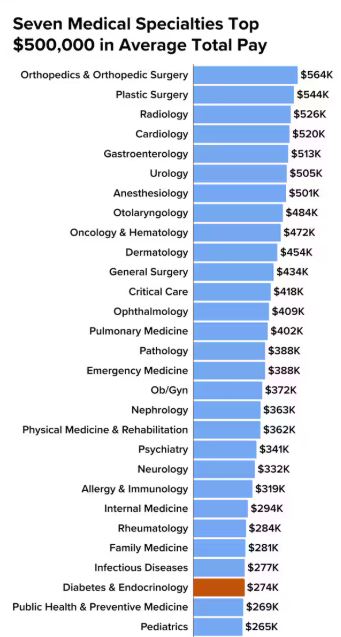
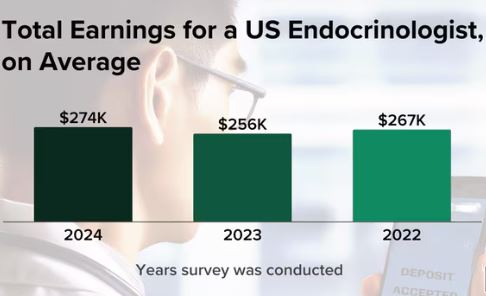
Editor’s Note: This report, originally published on May 16, 2025, has been updated to correct inaccuracies in the statistical model. Following a thorough review, Medscape is now providing revised data that has been revalidated for accuracy. 2024 was a good year for endocrinologists’ paychecks, although compensation in medical specialties generally was squeezed by payer reimbursement cuts.
Read more: Endocrinologist Compensation Report 2025
This is GlucoseBar by Andreas Stokholm, available on the Apple App Store and Github.
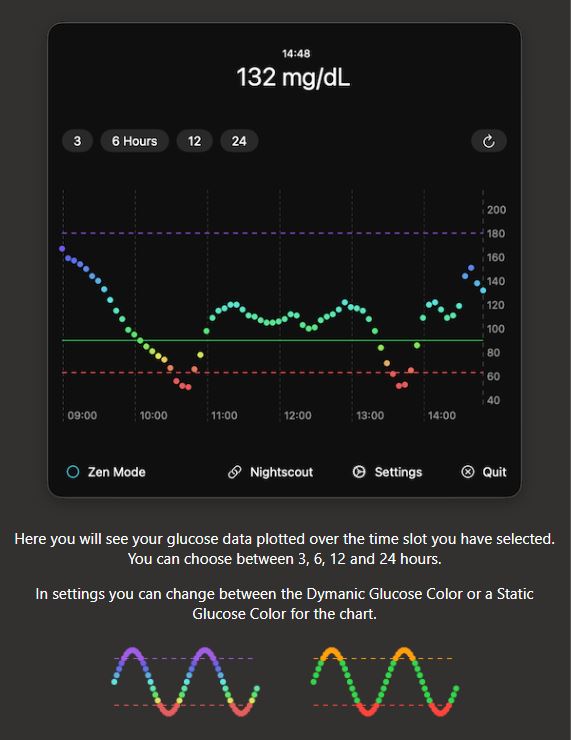 GlucoseBar, a new macOS app that displays glucose data from a CGM source on your menu bar at all times, is a sleek, powerful DBM viewer for macOS that puts your glucose data right there. Connects to Dexcom Share or Night to see real-time glucose readings, trends, and forecasts, all without opening another app. Stay informed, stay calm, and effortlessly take control of your glucose monitoring.
Introducing Zen Mode, customizable menu bar data, dynamic glucose colors, localizations and AID integrations! Integrates with leading AID systems. AND … GlucoseBar is FREE, completely open source, and respects your privacy too? (Requires macOS 14.0 or later
Read more: GlucoseBar
Metabolic Stress — Not Body Weight — May Explain Dementia Risk in Patients With Diabetes by Lara Salahi for Medscape.com, 19 November 2025.
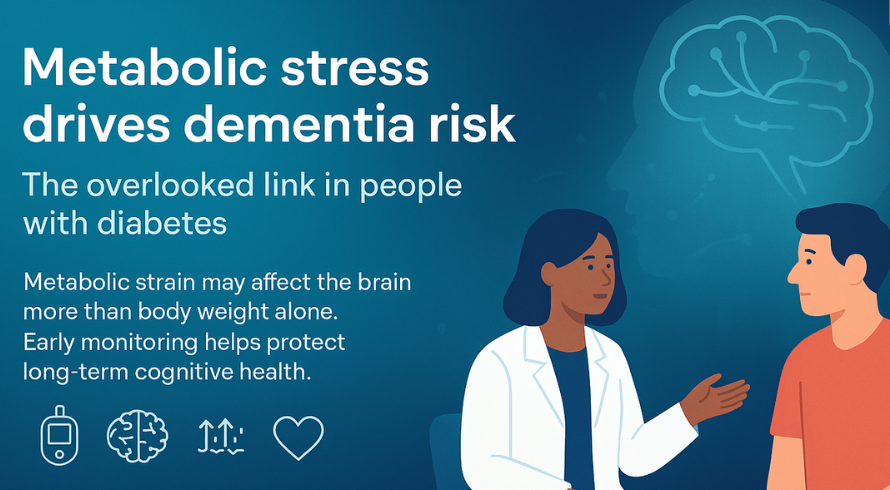 Older adults with diabetes who are not obese face significantly higher dementia risk than those without the chronic condition, according to new findings presented at the Gerontological Society of America (GSA) 2025 Annual Scientific Meeting in Boston. The findings suggest that cognitive risk related to diabetes may be less about excess weight and more about the underlying metabolic stress of the disease, raising concerns that a clinically overlooked group may be at a greater risk than previously believed.
“These results really challenge the assumption that obesity is the primary driver of cognitive complications in diabetes,” said Junyu Sui, PhD student in nursing and health innovation at the Edson College of Nursing and Health Innovation at Arizona State University in Phoenix, who led the study. “For clinicians, the key takeaway is that a lower BMI does not mean lower risk. Nonobese, diabetic patients may actually need more proactive cognitive screening and more aggressive management strategies.”
Fadi Ramadan, MD, geriatrician and assistant professor of medicine at Tufts Medical Center in Boston, said the biological pathways linking diabetes to dementia are well established. “Diabetes is among the vascular risk factors,” said Ramadan, who was not involved with the research. “We also [see] people with heart disease, and they’re not obese; they have dementia. So I think any vascular risk factor can contribute to dementia risk.” Ramadan said compounds produced by diabetes can accumulate in blood vessels and disrupt normal circulation and are “linked to diabetic dementia because they contribute to neuroinflammation, oxidative stress, [and] protein dysfunction in the brain.”
Read more: Metabolic Stress — Not Body Weight — May Explain Dementia Risk in Patients With Diabetes
Feeling wonder every day improves our health. Here’s how to do it. by Dana Milbank for WashingtonPost.com, 19 December 2025.
 The way to experience awe in visual art — in fact, the way to experience awe in any setting — is to slow down. The point is not to see it all but to see a few things, or even one thing, deeply.
A growing body of evidence demonstrates that the experience of awe that visual arts can trigger has mental and physical health benefits for us. They are similar to the restorative effects produced by awe-inspiring natural settings, such as a mountain vista or open sea, but we can access them more easily. The best part is you don’t need to know anything about the art you are looking at. “In some ways, I think it’s actually easier if you don’t have an understanding,” National Gallery of Art Director Kaywin Feldman told me, because “that moment of ‘oh my goodness’ is part of wonder. You have to sort of stop in your tracks, have that moment of surprise.”
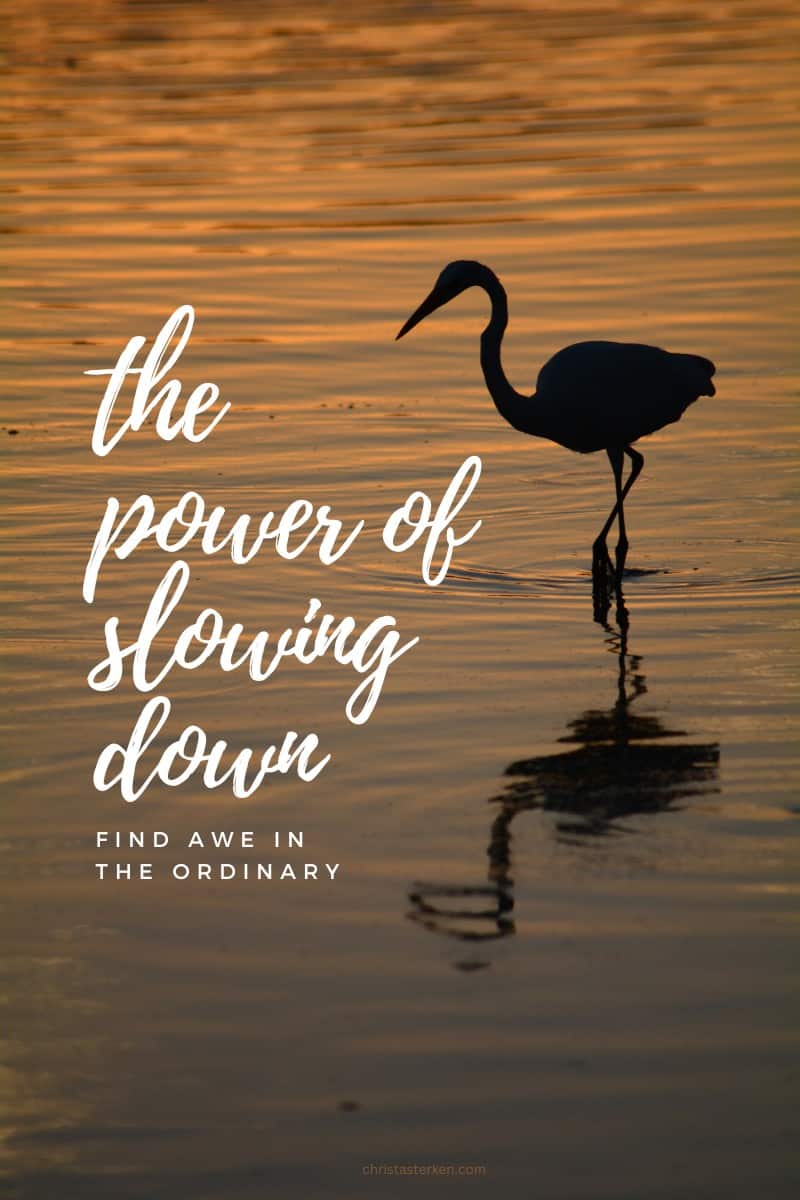 This is consistent with other recent research connecting immersion in visual art to human flourishing, including by reducing pain and illness, raising levels of neurotransmitters associated with well-being such as serotonin and oxytocin, and increasing feelings of altruism and cooperation. “Simply slowing down to take in the simple beauties around us is an antidote to the moral ugliness of our attention-captured, online life, and visual art and the spaces of such contemplation a gym for such training,” Keltner writes in a forthcoming book.
Wishing you a wonderful 2026 … and finding AWE in your life. Happy New Year from The Savvy Diabetic!
Read more: Feeling wonder every day improves our health
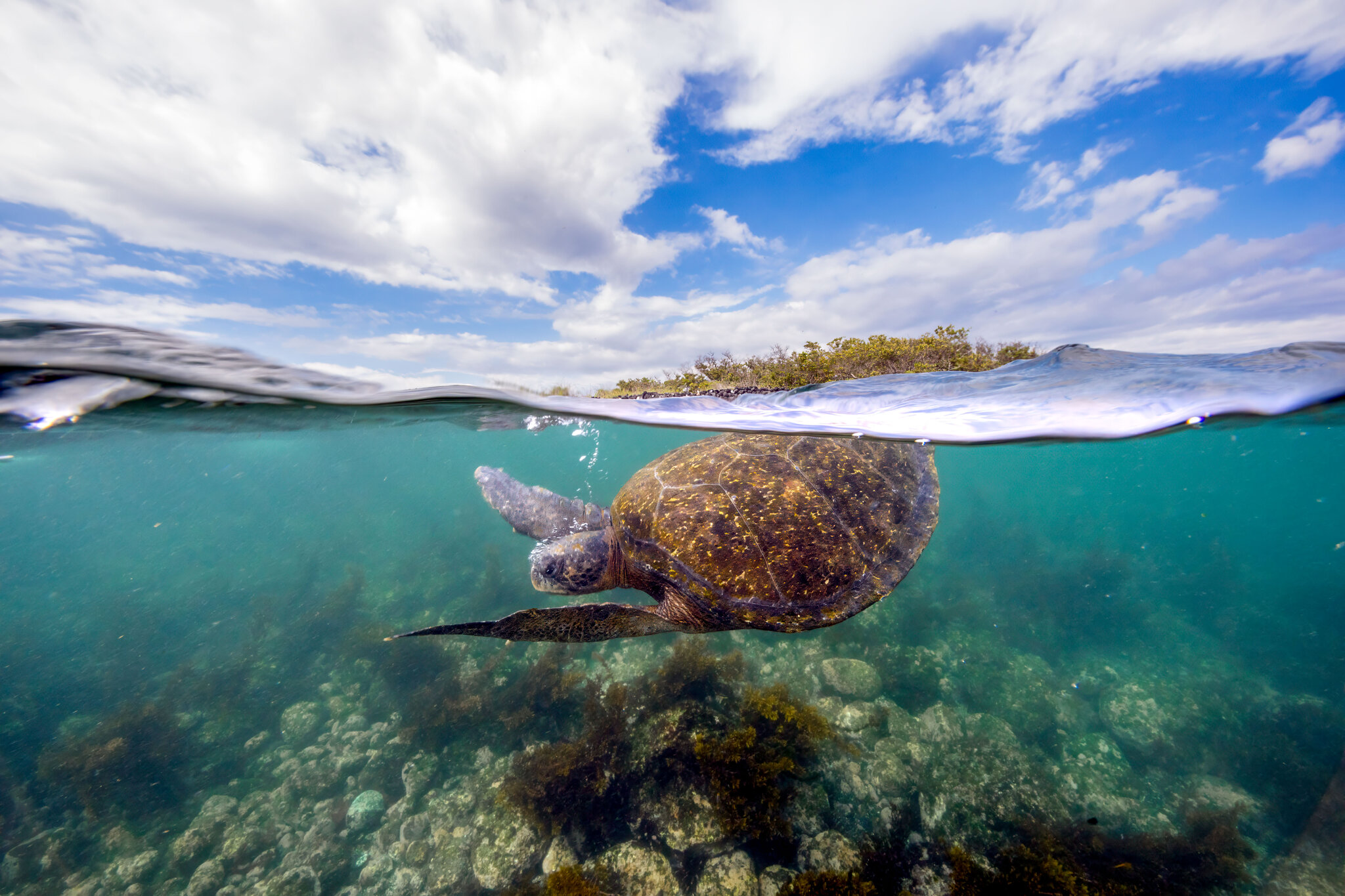
52 Places to Go in 2025 was presented by NYTimes.com. Where will the new year take you? Kick-start your travel plans by selecting some favorites.

While you may be enjoying this time during the holidays, are you thinking about or planning some adventures? OR, maybe you experienced some of these amazing places in 2025? Feel free to share … or explore!!!
Read more: 52 Places to Go in 2025